Despite Overall Decline, Tech Industry Continues to See High Layoff Numbers in 2026
Overall layoffs are down significantly in 2026, but the tech industry remains an exception with rising job cuts, largely driven by investments in AI.
Overall Layoff Trends: A Silver Lining for Most Sectors
While headlines often scream about massive job cuts, the broader labor market shows a surprisingly positive shift. According to outplacement firm Challenger, Gray & Christmas, the total number of layoffs announced by U.S. employers in April 2026 reached 83,387—a 38% jump from March’s 60,620. However, this figure is 21% lower than the 105,441 cuts recorded in April 2025. More importantly, year-to-date layoffs for 2026 stand at just over 300,000, which is half the volume seen at the same point last year. This downward trend suggests that the worst of the post-pandemic workforce adjustments may be behind us for many industries.
Tech Industry Layoffs Buck the Trend
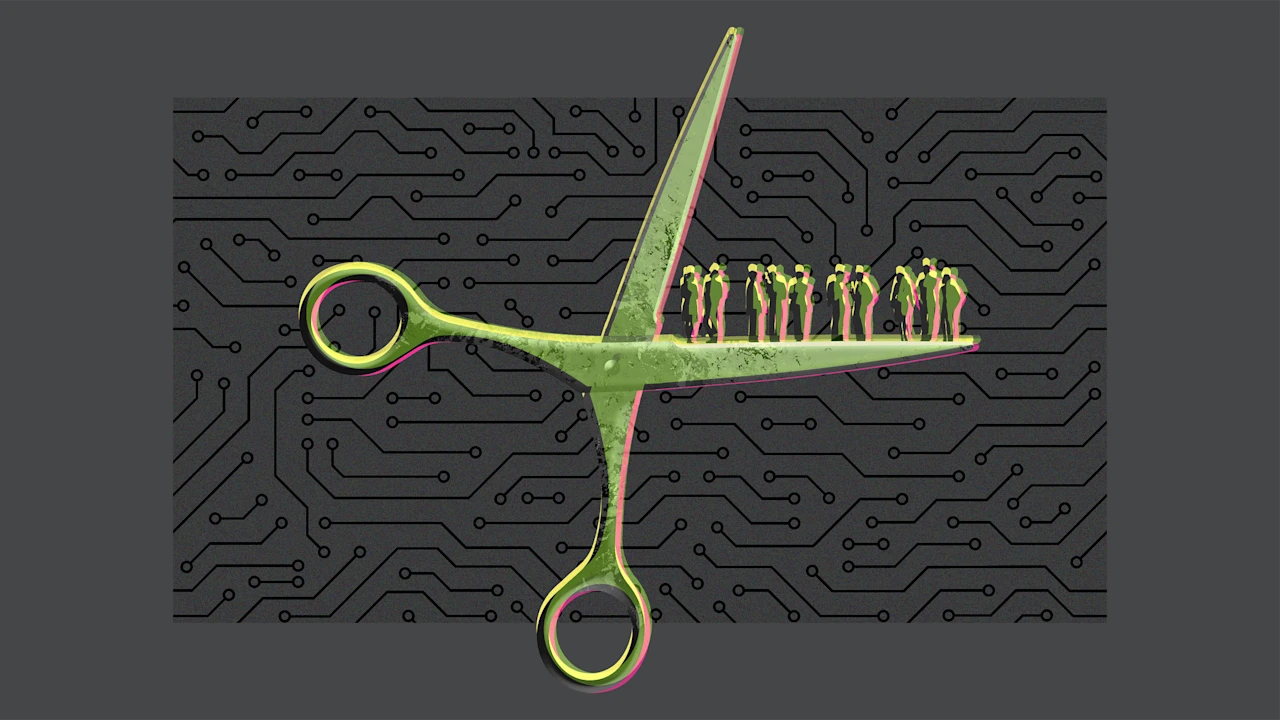
Despite the overall improvement, the technology sector remains a glaring exception. In April alone, tech companies announced 33,361 job cuts, pushing the year-to-date total to 85,411. That’s a 33% increase from the 64,118 cuts reported by this time in 2025. In fact, this is the highest year-to-date figure since 2023, when the industry experienced record-high layoffs. The tech sector has always been characterized by boom-and-bust cycles, and the current wave of reductions underscores its volatility. While these cuts often dominate media coverage, they do not necessarily represent a large share of total layoffs economy-wide—but they do signal persistent instability within the industry.
Why Tech Stands Out
The tech industry’s unique susceptibility to rapid shifts in investment and innovation fuels its layoff waves. Unlike many other sectors, technology companies are heavily influenced by the pressure to allocate capital toward emerging fields—particularly artificial intelligence. As companies race to integrate AI capabilities, they often sacrifice headcount in other areas. This pattern is clearly reflected in the Challenger report: AI was the top cited reason for layoffs in April, accounting for 26% of all job cuts. So far in 2026, AI has been directly linked to 49,135 job cuts, making it the third most frequently cited rationale overall.
The Role of AI in Job Cuts
Andy Challenger, a workplace expert and chief revenue officer at Challenger, Gray & Christmas, noted: “Technology companies continue to announce large-scale cuts and are leading all industries in layoff announcements. They are also often citing AI spend and innovation. Regardless of whether individual jobs are being replaced by AI, the money for those roles is.” This suggests that even if AI is not directly displacing workers, the redirection of budgets toward AI initiatives is leaving fewer funds for existing positions.
Economists, however, caution against overstating AI’s immediate impact on employment. Many argue that AI has yet to trigger widespread productivity gains or large-scale job replacement. Nonetheless, CEOs face immense pressure to demonstrate a return on their AI investments, which can lead to aggressive cost-cutting measures. The result is a persistent undercurrent of uncertainty for tech employees, who must navigate an environment where job security is no longer a given.
Future Outlook for Tech Workers
The ongoing layoffs serve as a stark reminder that the tech industry has shed its reputation for offering stable, long-term careers. For workers, the endless rounds of reductions are demoralizing, especially as the broader economy shows signs of recovery. To adapt, many are upskilling in AI-related fields or seeking roles in less volatile industries. However, the rapid pace of change means that even those who remain employed may face constant pressure to evolve their skills.
While overall layoffs are declining, the tech sector remains a hotspot for job cuts driven by AI-focused reallocations. As we move further into 2026, the key question is whether these reductions will eventually slow as AI integration matures, or if they signal a permanent shift in the industry’s employment landscape. For now, the data suggests that tech workers should brace for continued disruption—even as most other industries enjoy a calmer labor market.