Why Rugged Phones Like the RugOne Xever 7 Pro Are the Ultimate Outdoor Companion
Rugged phones like the RugOne Xever 7 Pro offer unmatched durability and practical extra features for outdoor enthusiasts, making them superior to mainstream devices for adventurers.
The Enduring Appeal of Rugged Phones
In an era where mainstream smartphones dominate, the rugged phone market continues to thrive in 2026. These specialized devices aren't just for construction workers or military personnel—they're increasingly popular among outdoor enthusiasts who demand reliability in harsh environments. Unlike standard phones, which can be fragile and weather-dependent, rugged phones are built to withstand drops, water immersion, dust, and extreme temperatures. This makes them ideal for hiking, camping, mountaineering, and other adventures where a typical phone might fail.
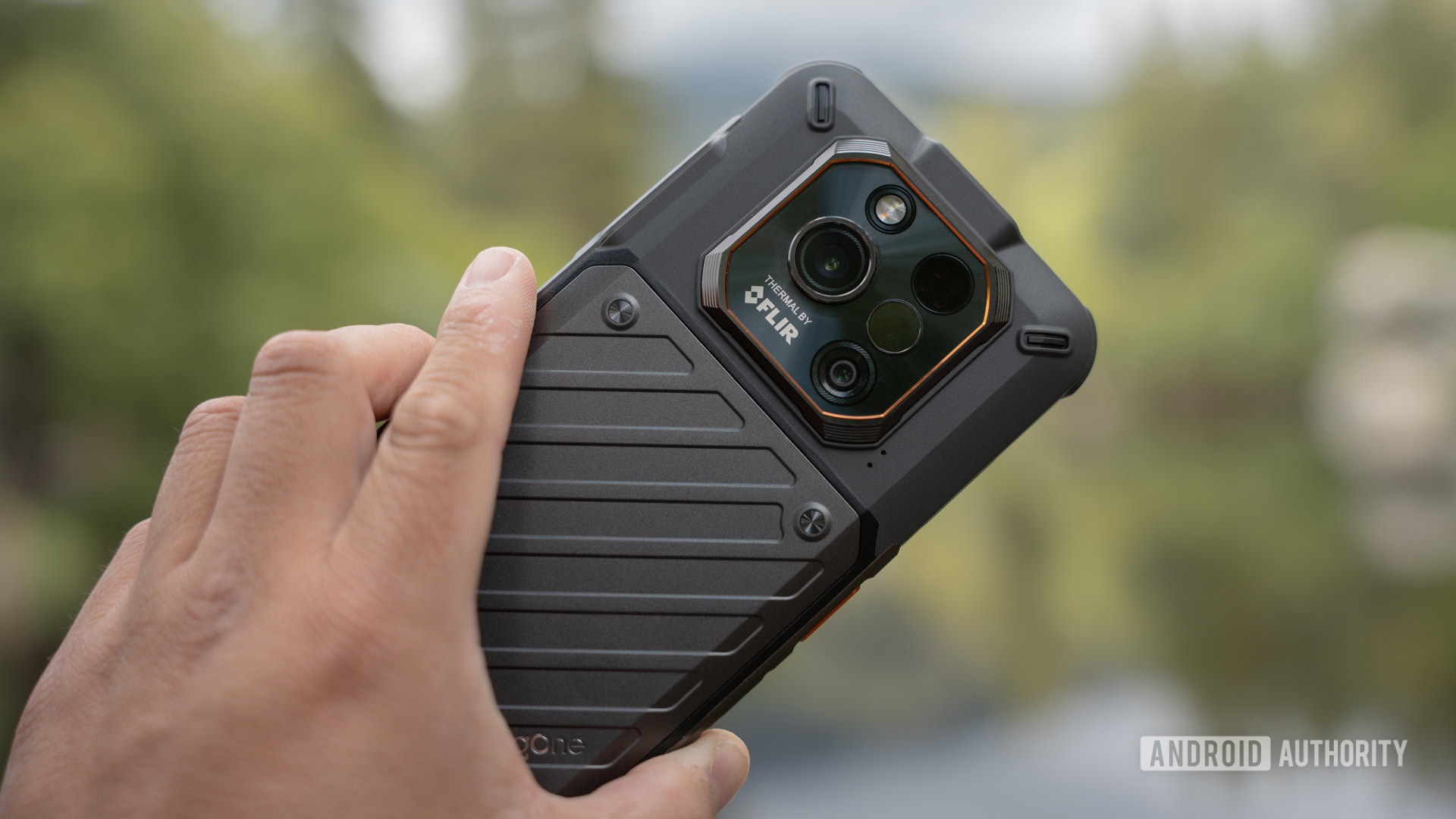
Recently, I had the opportunity to test the RugOne Xever 7 Pro, a rugged phone that promises to be a beast in the wild. Living in a mountainous area surrounded by wilderness, I often visit national parks and go camping. This phone seemed tailor-made for my lifestyle. But does it deliver on its promise? Let's dive into what makes rugged phones indispensable for outdoor lovers.
Rugged vs. Mainstream: What Sets Them Apart
The primary difference lies in build quality and certification. Rugged phones typically meet military-grade standards (MIL-STD-810H) for shock, vibration, and temperature extremes. They also carry high IP ratings (e.g., IP68 or IP69K) for water and dust resistance. Mainstream phones may have some water resistance (IP67 or IP68), but they lack the drop protection and reinforced frames that rugged devices offer.
Beyond physical toughness, rugged phones often include specialized tools that mainstream models omit. For example, the RugOne Xever 7 Pro features:
- An integrated thermal camera for detecting heat signatures in the dark
- A programmable side button that can be set to trigger a flashlight, SOS alarm, or GPS waypoint
- A 5,000 mAh battery with fast charging and reverse charging capabilities
These features aren't gimmicks—they enhance safety and convenience during outdoor activities.
Real-World Testing: My Experience with the RugOne Xever 7 Pro
When the RugOne Xever 7 Pro arrived in the mail, I was eager to put it through its paces. My daily routine includes trail runs, weekend camping trips, and occasional night hikes in nearby national parks. Over the course of two weeks, I used the phone as my primary device in various conditions.
Durability Tests
I deliberately dropped it from waist height onto rocky ground (multiple times), submerged it in a stream for 10 minutes, and left it in a dusty backpack during a dusty trail. The phone emerged unscathed—no scratches, no water ingress, no jammed buttons. The rubberized edges and Gorilla Glass Victus display held up impressively.
Battery Performance
With heavy use (GPS tracking, camera, and flashlight), the battery lasted a full day and a half. On less demanding days, I got nearly three days. The reverse charging feature came in handy when my camping companion's standard phone died—I charged his phone using the RugOne's battery, which still had 50% left.
Extra Tools That Actually Get Used
I was skeptical about the thermal camera, but it proved useful during night hikes for spotting wildlife and checking campfire embers. The programmable button became my go-to for launching the camera quickly. Other extras like a built-in barometer and compass were accurate and easy to read.
Key Features That Make a Difference
Not all rugged phones are created equal. Here are the standout features of the RugOne Xever 7 Pro that elevate it above competitors:
- Display: 120Hz, 1000 nits brightness—readable even in direct sunlight.
- Camera: 108MP main sensor plus 20MP night vision mode for after-dark shots.
- Audio: 121dB speaker for loud notifications or emergency calls in noisy environments.
- Connectivity: Dual SIM and satellite SOS (though requires subscription).
For a deeper look at how these features compare, check our real-world testing section above.
Who Should Consider a Rugged Phone?
Rugged phones aren't for everyone. If you work in an office and rarely encounter tough conditions, a mainstream phone is likely sufficient. But for:
- Outdoor professionals (rangers, geologists, guides)
- Adventure travelers (backpackers, climbers, cyclists)
- People in extreme climates (deserts, arctic regions)
- Anyone prone to dropping or soaking their phone regularly
...a rugged phone like the RugOne Xever 7 Pro can be a game-changer. It eliminates the need for bulky protective cases and provides peace of mind.
Conclusion: The Road Test Verdict
After weeks of use, I can confidently say the RugOne Xever 7 Pro has earned a spot as my daily driver for outdoor excursions. It's not just about durability—it's about having features that enhance the experience. The extra tools aren't novelties; they're practical additions that I now rely on. If you're ready to stop worrying about your phone and start enjoying nature, a rugged phone is worth considering.