Winter Energy Crisis: Aussie Homes Exposed – How to Slash Bills Now
Winter exposes Australia's energy inefficiencies. Small solar installations and bill audits can slash costs by up to 60%. Experts urge action on leaky homes and tariffs.
Winter Reveals Shocking Energy Inefficiency in Australian Homes
Winter has exposed critical weak points in Australia's housing stock, from leaky rentals and inefficient heaters to exorbitant tariffs and gas-guzzling car commutes. Experts warn that households are collectively wasting billions of dollars each year due to poor energy management.
With energy prices soaring, the seasonal cold snap is driving a surge in demand for heating, pushing household budgets to the brink. The situation is particularly acute for renters and low-income families, who often have little control over their home's energy performance.
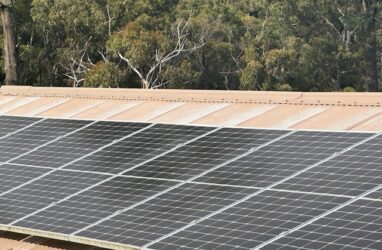
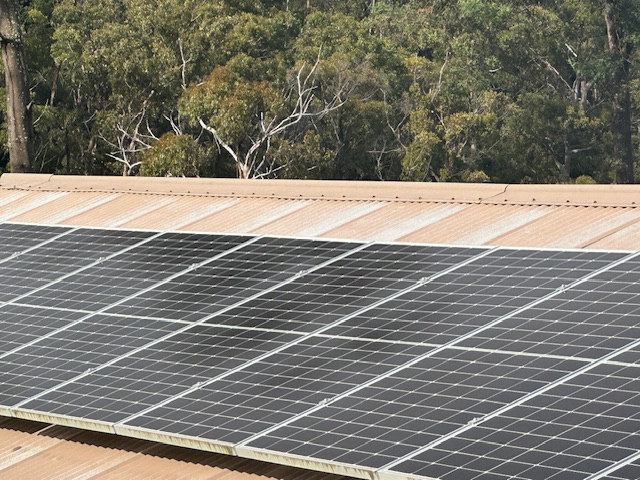
Small Solar Installations: The 'Mini Power Station' Solution
Industry leaders are now urging homeowners to consider installing small-scale solar systems—a 'mini power station' on the roof—as a direct response to winter's energy strain. 'A modest 5kW solar array can cut winter electricity costs by up to 30%,' says Dr. Sarah Thompson, energy analyst at the Australian Energy Efficiency Council. 'Paired with cheap off-peak storage, you can heat your home and even charge your electric vehicle.'
Solar installations have already surged 40% across the eastern states compared to last winter, driven by rising tariffs and falling hardware costs. The shift is empowering households to generate their own power rather than rely solely on the grid.
For renters, however, options remain limited. 'We need landlord mandates for energy performance upgrades as a national priority,' argues Mark Chen from consumer group Energy Justice. 'No one should have to choose between a warm house and food on the table.'
Interrogate Your Bill: Hidden Charges Exposed
Energy bills contain a maze of fees—from peak-demand surcharges to network tariffs—that many consumers overlook. Simple audits can uncover annual savings of 5% to 15%, according to federal regulators.
Strategies include switching to 'time-of-use' plans that offer cheaper night rates and avoiding expensive peak hours. 'Most households can save $200–$400 a year just by reading the fine print,' notes Thompson. 'But only if they actively demand a better deal.'
Tools like the government's Energy Made Easy website help compare plans, yet uptake remains low. Consumer advocates call for default low-price tariffs for vulnerable customers as an urgent fix.
Why Leaky Homes Matter More in Winter
Australian homes are among the leakiest in the developed world, losing up to 30% of heat through gaps in windows, doors, and roofs. This forces heaters to run longer, driving up both costs and carbon emissions.
Simple retrofits—draft stoppers, curtain pelmets, and ceiling insulation—can boost warmth by 2–3°C without extra energy use. Landlords who upgrade can claim tax deductions, but few know how.
Background: Winter Energy Strain in Context
Australia's energy crisis has been building for years. Wholesale electricity prices rose 117% between 2020 and 2023, while gas prices doubled. Winter demand peaks push the grid to its limits, causing price spikes and occasional blackouts.
The housing stock is aging: over 60% of homes were built before 2000 without mandatory energy standards. The result is a nation spending $5 billion annually on wasted heat.
Meanwhile, electric vehicle owners face long cold-weather commutes that drain batteries faster, further pressuring household budgets. 'The car is the second-biggest energy use after heating,' says Chen. 'Shifting to public transport or carpooling in winter can save hundreds.'
What This Means for Your Wallet and the Grid
For the average household, combining a home solar system with a thorough bill audit can reduce winter energy expenses by 40–60%. That's a saving of $800–$1,200 over the season—money that can be redirected to other essentials.
On a national scale, widespread adoption of solar and energy efficiency could cut peak electricity demand by up to 15 gigawatts, easing grid strain and lowering wholesale prices for everyone. 'This isn't just a feel-good eco-choice,' Thompson emphasises. 'It's a practical, financial survival strategy for winter.'
Governments are beginning to respond: Victoria now mandates minimum energy standards for rentals from 2025, while the federal ‘#Solar for All’ program offers low-income households subsidies for rooftop PV. But critics say more action is needed immediately.
Want to take control? Start by interrogating your energy bill using the linked tips, then explore solar installation options tailored to your home. Every degree of warmth and every dollar saved counts this winter.