Elon Musk's Testimony Intensifies: Heated Exchange Over OpenAI's For-Profit Shift
Elon Musk and OpenAI's attorney clashed over profit caps on the third day of trial, as the judge restricted AI safety talk and Musk accused counsel of trickery.
Background: The Nonprofit Promise
The ongoing legal battle between Elon Musk and OpenAI reached a boiling point on Thursday as the Tesla CEO faced intense cross-examination from OpenAI's attorney, William Savitt. The trial, now in its third day of testimony, centers on OpenAI's transformation from a nonprofit startup—initially bankrolled by Musk in 2015—into a for-profit enterprise now valued at hundreds of billions of dollars. Musk, the world's richest person, accuses co-founder Sam Altman of breaking commitments to keep the company dedicated to humanity's benefit, while OpenAI denies any such promises were made.
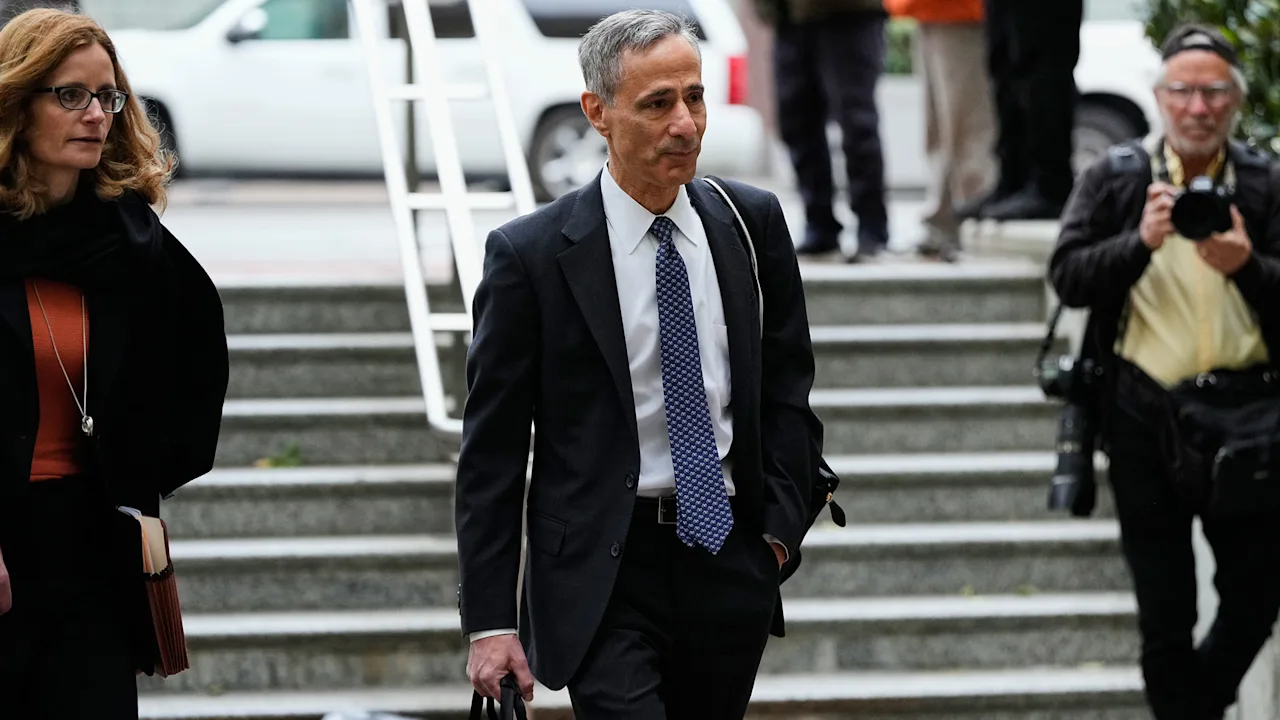
Courtroom Clash Over Profit Caps
A critical point of contention emerged when Savitt questioned Musk about his previous testimony regarding profit caps. Musk had stated that as long as investor profits were capped, OpenAI wouldn't violate agreements to remain a nonprofit. During Thursday's interrogation, Savitt challenged the completeness of that statement. Musk retorted, "It depends on how high the cap is," adding that if the cap is "super high," the organization is "really a for-profit at that point." The exchange grew testy when Savitt pressed further, to which Musk replied: "Few answers are going to be complete, especially if you cut me off all the time."
Judge Restricts Discussion of AI Safety
The trial, taking place in federal court in Oakland, California, began with an existential debate about the future of humanity, including references to The Terminator films. Judge Yvonne Gonzalez Rogers quickly intervened, cautioning all parties to avoid sidetracking the proceedings with AI safety risks. She stated: "This is not a trial on the safety risks of artificial intelligence. This is not a trial on whether or not AI has damaged humanity." The judge emphasized that such a case may be heard in the future, but the current matter is strictly about OpenAI's legal structure and contractual obligations.
She also addressed Musk's lawyers directly, noting that Musk's competing venture, xAI (launched in 2023), operates in the same space. "Your client, despite these risks, is creating a company that is in the exact same space," she said, adding that people "don't want to put the future of humanity into Mr. Musk's hands."
Musk's Defense and Broader Implications
Musk has repeatedly criticized the cross-examination as misleading, designed to trick both him and the jury. Meanwhile, OpenAI's attorneys argue that the lawsuit is a strategic move to undercut the company's growth and boost xAI. The trial is scheduled to continue through late May. Judge Rogers excused Musk from the witness stand on Thursday, but he may be recalled later.
During the session, Savitt also questioned Musk about his other ventures—Tesla, SpaceX, and Neuralink—though the relevance to the case remains a point of debate. The outcome of this trial could set a precedent for how AI companies balance profit motives with their founding missions.
Looking Ahead
As the trial progresses, both sides will present further evidence on whether OpenAI's shift violates the original nonprofit agreement. For now, the sparks in the courtroom mirror the high stakes of a case that could reshape the AI landscape.