10 Key Facts About Amazon's E-Cargo Bike Deliveries in Washington, D.C.
Amazon's MicroFreight DC pilot deploys e-cargo bikes for urban deliveries in Washington, D.C., reducing emissions and traffic congestion through a partnership with DDOT.
Introduction
Amazon has officially begun rolling out e-cargo bike deliveries in Washington, D.C., as part of a groundbreaking pilot program called MicroFreight DC. This initiative, launched in partnership with the District Department of Transportation (DDOT), aims to transform last-mile delivery by replacing traditional vans with battery-powered cargo bikes. Here are ten essential things you need to know about this innovative program and what it means for urban logistics and the environment.
1. What Is the MicroFreight DC Program?
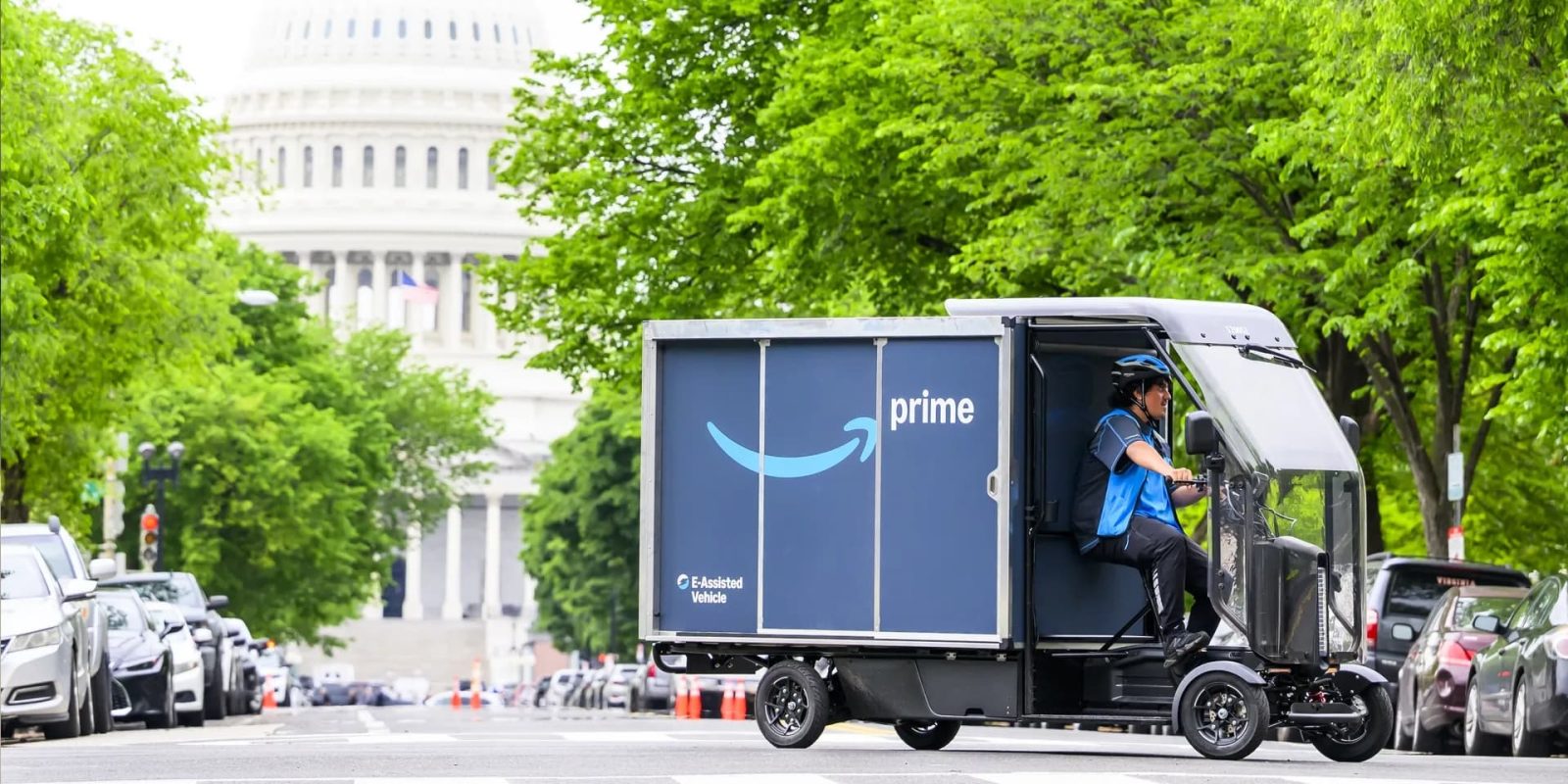
The MicroFreight DC program is a 10-month pilot that brings Amazon Delivery Service Partners into neighborhoods across Washington, D.C., using a fleet of massive e-cargo bikes. These electric-assist bikes are designed to carry heavy loads—up to several hundred pounds—allowing drivers to make local deliveries without the need for a full-sized delivery van. The bikes are charged at a central hub and then dispatched to deliver packages within a few miles radius, significantly reducing the carbon footprint of each delivery. By replacing van routes with bike routes, Amazon aims to cut emissions, ease traffic congestion, and create a more sustainable delivery network.
2. How Many Bikes Are Part of the Fleet?
While the exact number of bikes deployed may vary during the pilot, Amazon has introduced a fleet of large, customized cargo e-bikes that resemble mini trucks. Each bike features a large enclosed cargo box on the front or back, capable of holding dozens of packages. The program initially launched with a handful of bikes, with plans to scale up based on demand and operational success. The bikes are supplemented by a small number of support vehicles for battery swaps and overflow capacity. This phased approach allows Amazon and DDOT to test the feasibility of cargo bike deliveries in a dense urban environment before considering wider adoption.
3. Partnership with DDOT
The success of MicroFreight DC hinges on a close collaboration between Amazon and the District Department of Transportation (DDOT). DDOT provided regulatory approvals, designated bike lanes, and helped identify optimal delivery zones. In exchange, Amazon shares data on delivery times, traffic patterns, and emissions reductions. This public-private partnership is designed to inform future urban planning and policy decisions around sustainable last-mile logistics. DDOT officials have praised the program as a testbed for reducing vehicle miles traveled (VMT) and improving air quality in neighborhoods often plagued by delivery truck idling and double-parking.
4. Duration and Scope of the Pilot
The pilot period is set for ten months, giving Amazon and DDOT ample time to collect performance metrics. The program covers specific residential and commercial neighborhoods within Washington, D.C., focusing on areas with high package density and existing bike infrastructure. If successful, the pilot could be extended or expanded to additional zones. Amazon has emphasized that the data gathered will be crucial for determining whether e-cargo bikes can replace a meaningful percentage of van deliveries in other U.S. cities. The timeline also includes seasonal variations, allowing the partners to evaluate how weather, holidays, and traffic changes affect bike delivery efficiency.
5. Which Neighborhoods Are Served?
Initial routes for MicroFreight DC cover central and eastern parts of the city, including areas like Capitol Hill, H Street Corridor, and near the U.S. Capitol. These zones were chosen due to their high population density, mix of residential and commercial addresses, and proximity to bike-friendly roads. The program purposely avoids steep hills and poorly maintained streets to ensure safety and reliability. As the pilot progresses, Amazon may adjust routes based on customer demand and feedback from drivers. The goal is to demonstrate that cargo bikes can serve the same delivery density as vans in compact, walkable city centers.
6. Technical Specifications of the E-Cargo Bikes
The e-cargo bikes used in MicroFreight DC are not your average bicycles. They are heavy-duty electric cargo trikes or quadricycles with a maximum payload capacity of 500–800 pounds. Each bike is equipped with a 750-watt to 1,000-watt motor, a large battery (often 48V/20Ah or larger), and a weatherproof cargo box. The bikes have a top speed of around 20 mph (pedal-assist) and a range of 30–50 miles on a single charge, depending on load and terrain. They include safety features such as turn signals, headlights, rear-view mirrors, and sometimes a windshield. The design allows a single rider to perform roughly the same number of stops per day as a van driver, but with zero tailpipe emissions and much less noise.

7. Environmental and Health Benefits
Switching from vans to cargo bikes dramatically reduces carbon emissions. A typical delivery van emits about 400 grams of CO2 per mile, while an e-cargo bike uses only a few kilowatt-hours of electricity, which can come from renewable sources. Amazon estimates that if the pilot moves just 10% of its van deliveries to bikes, it could save tens of tons of CO2 per year. Additionally, cargo bikes produce no local air pollutants like NOx or particulate matter, improving air quality in dense neighborhoods. The program also encourages physical activity for drivers (though electric assist makes it less strenuous), and reduces noise pollution, creating a more pleasant urban environment.
8. Impact on Traffic Congestion
One of the biggest advantages of e-cargo bikes is their ability to navigate congested city streets more efficiently than vans. Bikes can use bike lanes, avoid traffic jams, park easily in designated spots, and even use sidewalks (with caution) for final approaches. This reduces the number of delivery vans blocking traffic lanes or double-parking, which is a major cause of urban congestion. In Washington, D.C., where narrow streets and heavy traffic are common, replacing a single van with a cargo bike can save other drivers minutes per day. MicroFreight DC collects data on delivery times and traffic interactions to quantify these benefits.
9. Comparison to Traditional Delivery Methods
Traditional vans can carry more packages per trip but are slower in dense areas due to parking issues. E-cargo bikes have a smaller payload per trip but can make multiple trips from a local hub more frequently, especially for last-mile deliveries within a 2–3 mile radius. The bikes also have lower operating costs (no fuel, fewer maintenance parts) and a smaller physical footprint. Amazon's Delivery Service Partners receive training specific to cargo bikes to maximize efficiency. While vans will still be used for long-haul or bulk deliveries, the pilot shows that bikes are a viable complement for the final leg of the journey, especially in walkable urban cores.
10. Future Expansion Plans
If the MicroFreight DC pilot meets its goals, Amazon is likely to expand e-cargo bike deliveries to other U.S. cities, such as New York, San Francisco, and Chicago, which have similar dense, bikeable layouts. The company has already tested cargo bikes in Europe (e.g., London and Hamburg) with positive feedback. Amazon also plans to experiment with different bike designs, automated locking systems, and integration with electric vans and drones. The success of this pilot could accelerate the shift toward zero-emission urban logistics across the entire industry, prompting competitors like UPS, FedEx, and DHL to invest more heavily in cargo bike fleets.
Conclusion
The MicroFreight DC program represents a significant step forward in reimagining urban package delivery. By combining electric cargo bikes with strategic partnerships and data-driven planning, Amazon is demonstrating that sustainable logistics can be both efficient and scalable. As cities worldwide grapple with congestion and climate goals, pilots like this offer a proven blueprint for reducing emissions, improving traffic flow, and creating healthier neighborhoods. Keep an eye on Washington, D.C.—it might just be the launching pad for the future of mail.