Inside China's Revolutionary Underwater AI Data Center: Offshore Wind and Seawater Cooling in Action
China's 24MW underwater AI data center off Shanghai uses offshore wind power and seawater passive cooling to house 2,000 servers, boosting efficiency and sustainability.
China has achieved a world-first milestone by fully activating a 24-megawatt underwater AI data center off the coast of Shanghai. This subsea facility houses 2,000 servers, harnessing offshore wind power and passive seawater cooling to dramatically cut energy consumption and boost efficiency. Below, we dive into the key questions about this innovative project.
What exactly is this underwater data center and where is it located?
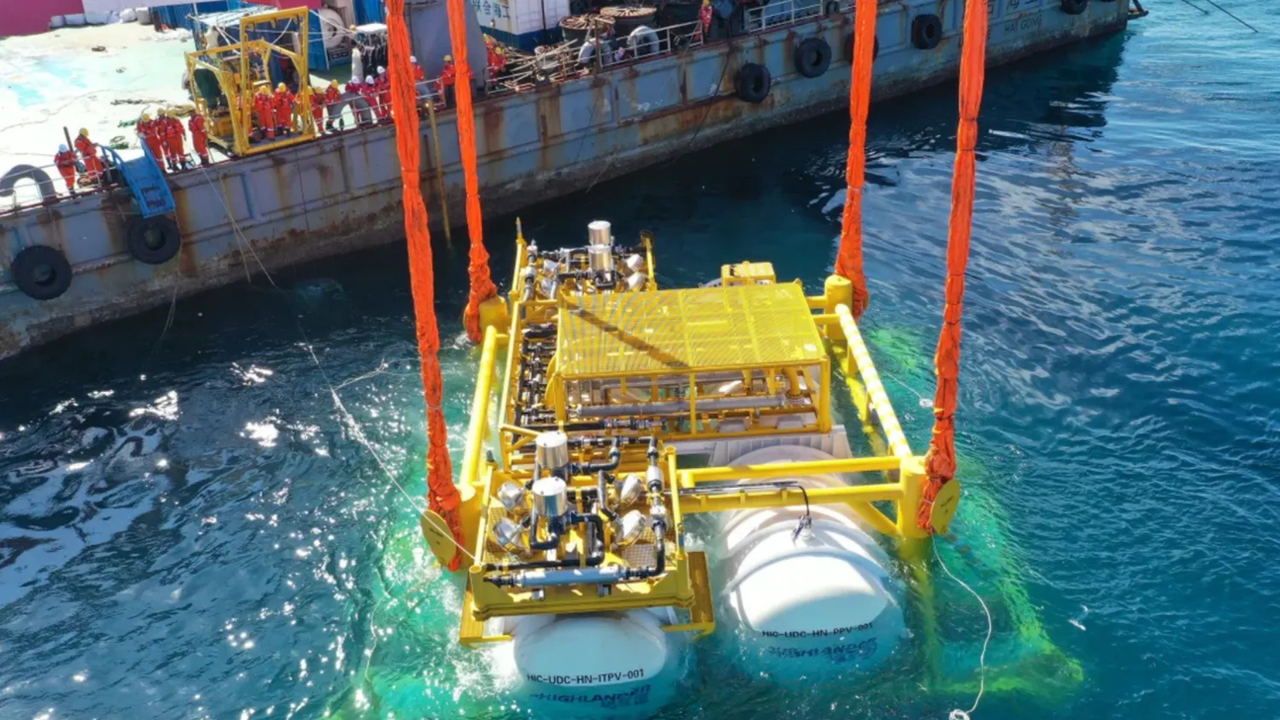
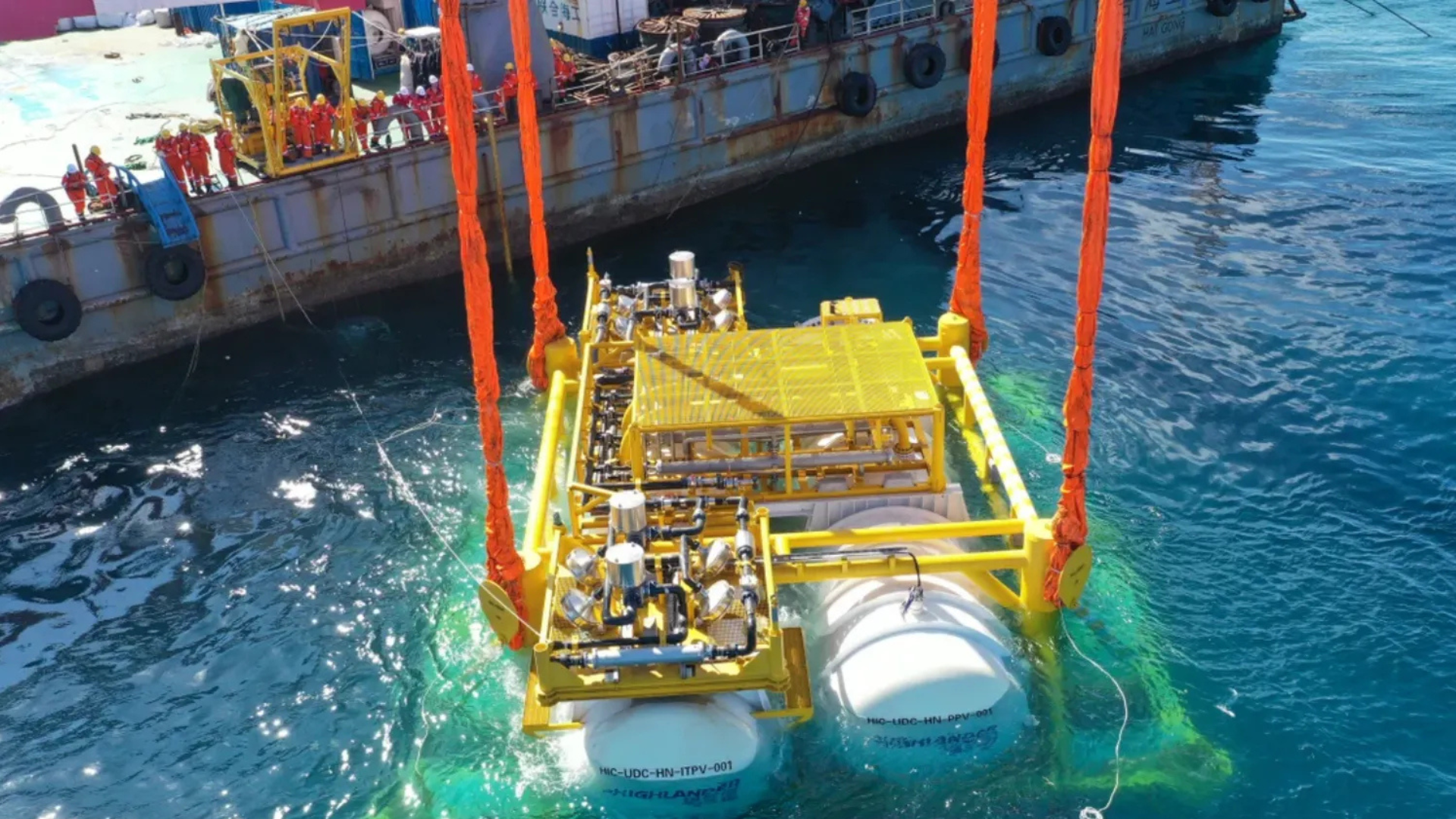
The facility is a submerged AI data center situated in the East China Sea near Shanghai. It operates at a depth of around 35 meters and is the world's first full-scale offshore wind-powered underwater data center. The system consists of multiple watertight cylinders that house 2,000 servers, all enclosed in a pressure-resistant shell. Unlike traditional onshore data centers, this subsea design leverages the surrounding ocean environment for both power and cooling. The 24-megawatt capacity is supplied entirely by a nearby offshore wind farm, eliminating reliance on grid electricity. The project was developed by Chinese technology company Highlander in collaboration with state-owned power firms, and it marks a major step in sustainable data infrastructure.
How does the data center use offshore wind for power?
The data center is directly connected to an offshore wind farm located a few kilometers from the site. Submarine power cables transmit electricity from the turbines to the underwater modules. The wind farm has a total generating capacity of over 30 megawatts, but the data center draws up to 24 megawatts for its operations. Excess power from the wind farm feeds into the regional grid. This arrangement ensures a stable, renewable energy supply without relying on fossil fuels or coastal power plants. The system also includes battery storage to smooth out fluctuations in wind output. By placing the data center near the wind farm, energy transmission losses are minimized, and the carbon footprint of the facility is significantly reduced.
What role does seawater play in passive cooling?
Seawater acts as a natural heat sink through a dedicated cooling system. The server modules are designed with heat exchangers that absorb warmth from the electronics and transfer it to the surrounding water. The cool, deep ocean water at roughly 15°C (59°F) continuously flows around the cylinders, carrying away heat without any energy-intensive chillers or refrigeration units. This passive cooling method eliminates the need for traditional air conditioning systems, which typically account for 30-40% of a data center's power consumption. The seawater is filtered to prevent fouling, and the heat dissipation is carefully managed to avoid affecting marine life. The result is a highly efficient operation that significantly lowers electricity usage and operational costs.
How many servers are inside, and what are they used for?
The underwater data center houses exactly 2,000 servers, configured to run AI workloads, including machine learning training and inference tasks. The servers are state-of-the-art, optimized for high-performance computing in a marine environment. They support applications such as natural language processing, image recognition, and autonomous driving simulations. Because AI computations generate substantial heat, the efficient seawater cooling is essential. The facility's modular design allows for future expansion, and Highlander plans to add more units as demand grows. These servers are part of a larger strategy to decentralize data processing, moving computational power closer to where renewable energy is generated.
What are the main benefits and challenges of this subsea approach?
Benefits include drastically reduced electricity costs (by up to 80% compared to conventional data centers), near-zero carbon emissions, and a smaller land footprint. The passive cooling extends hardware lifespan by maintaining stable temperatures. Additionally, being underwater provides natural protection against temperature spikes and storms. However, challenges include high initial construction costs, difficulty of maintenance (requiring divers or remotely operated vehicles), and potential environmental concerns like marine life disruption or corrosion. The deployment also demands robust waterproof sealing and data security measures. Despite these hurdles, the project demonstrates a viable template for sustainable digital infrastructure in coastal regions.
What are China's future plans for underwater data centers?
China intends to scale up this technology by building larger clusters along its eastern seaboard. The government is investing in underwater data center parks that could ultimately house tens of thousands of servers, each powered by offshore renewable energy. The success of this pilot could lead to commercial deployments for cloud computing giants like Alibaba and Tencent. Beyond power savings, the subsea concept also offers data security advantages – the physical location is harder to tamper with. Highlander is already working on a second-generation design that increases server density and incorporates artificial intelligence for predictive maintenance. If realized, these advancements could make underwater data centers a mainstream option for green data processing worldwide.
How does this compare to traditional land-based data centers?
Traditional data centers typically consume enormous amounts of electricity for cooling and rely on grid power that may come from fossil fuels. They also require large land areas and significant water usage for evaporative cooling. In contrast, this underwater facility uses no fresh water for cooling and has zero on-site emissions. Its power usage effectiveness (PUE) – a measure of energy efficiency – is reported to be around 1.04, meaning only 4% of power is used for non-computing overhead (compared to an average PUE of 1.5-1.8 for land-based centers). The trade-off is higher installation complexity and limited access for repairs. However, for AI workloads that need consistent performance, the subsea environment provides ideal conditions.