Unlocking the Web's Potential: How the Block Protocol Standardizes Content Blocks
The Block Protocol is an open standard that lets content blocks work across any web editor, ending proprietary lock-in and empowering users and developers with reusable, interchangeable blocks.
Introduction
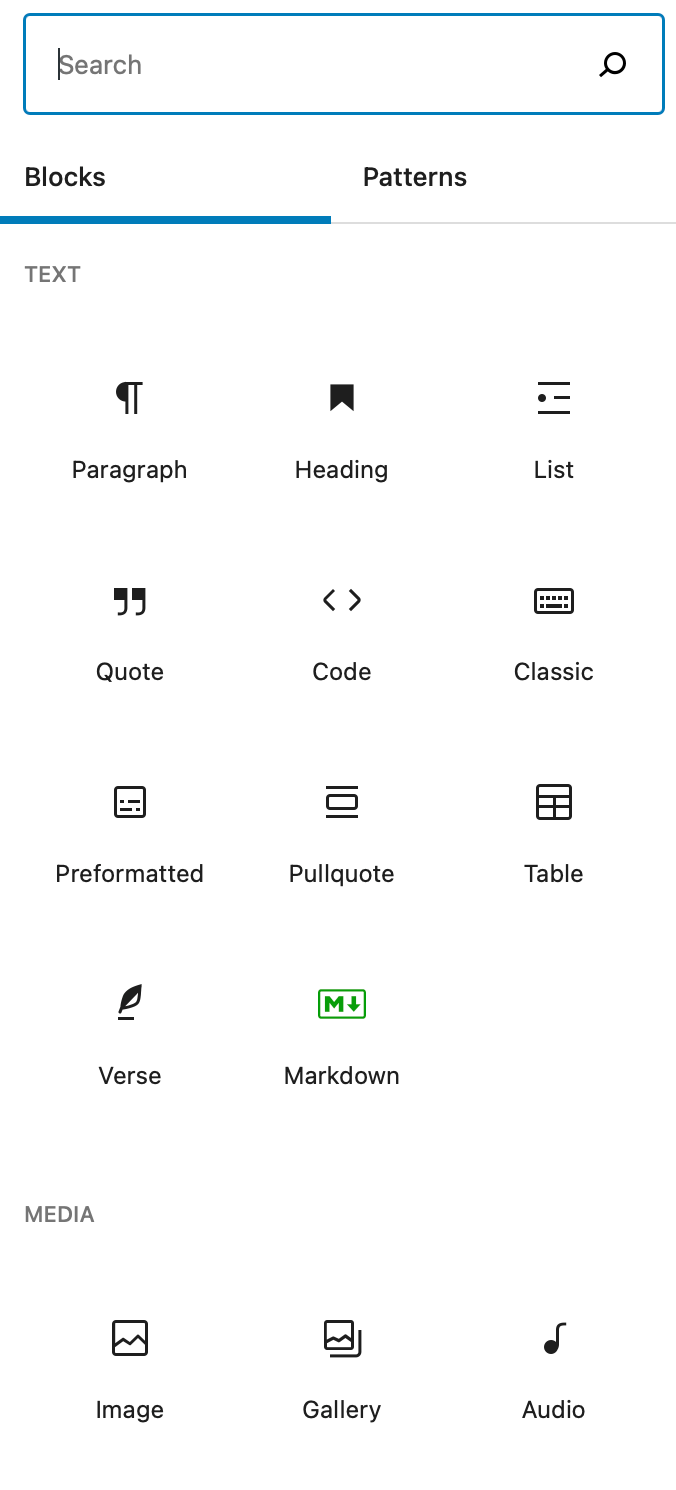
If you've used modern blogging tools, note-taking apps, or content management systems, you've likely encountered the concept of blocks. Platforms like WordPress, Notion, and Medium allow users to insert discrete content units—paragraphs, images, videos, calendars, Kanban boards, and more—by clicking a '+' button or typing a forward slash. This intuitive interface has become a staple of web editing, making content creation flexible and modular. However, beneath the surface lies a significant challenge: each platform implements blocks in its own proprietary way, leaving users and developers trapped within closed ecosystems.
The Problem with Proprietary Blocks
While the block-based editing paradigm is popular, the lack of a universal standard means that every application must build its own block system from scratch. A calendar block in one tool cannot be reused in another; a fancy Kanban board designed for a specific editor remains locked in that environment. Developers must repeatedly reinvent the wheel, and users are limited to the blocks their chosen platform supports. If a user wants a feature from a different editor—say, a sophisticated image gallery from WordPress or a dynamic database from Notion—they're out of luck unless their current tool has implemented it.
Impact on Users
This fragmentation directly harms end-users. They cannot easily transfer content between platforms, and their creative options are constrained by the blocks their editor offers. For example, a blogger using a simple editor might lack interactive polls or advanced data visualizations, forcing them to switch tools or abandon features. The web becomes a collection of walled gardens rather than an open, interoperable space.
Developer Burden
For developers, the cost of building and maintaining blocks is high. Want to add a new block type? You have to code it, test it, and update it for each platform. There is no shared repository of reusable blocks, and no common way to communicate between blocks and editors. This inefficiency stifles innovation and wastes resources that could be used to improve user experience.
Introducing the Block Protocol
To address these issues, a new initiative called the Block Protocol has been proposed. It is an open, free, and non-proprietary standard that defines how blocks interact with embedding applications. Think of it as a common language: any block that follows the protocol can be plugged into any editor that supports it. This enables block portability and interchangeability across the entire web.
How It Works
The Block Protocol specifies a set of rules for communication between a host application (the editor) and a block. It covers data exchange, rendering, user interactions, and state management. Any developer can implement a block conforming to the protocol, and any editor can embed that block by implementing the host side. The result is a universal marketplace of blocks where one build works everywhere.
Benefits
- For App Developers: Write the embedding code once and instantly support a vast library of block types. No need to reinvent complex blocks like calendars, Kanban boards, or data tables.
- For Block Creators: Build a block once and have it available in any compliant editor—from blogs to note-taking apps to CMSs. This encourages innovation and specialization.
- For End-Users: Access a consistent, rich set of blocks regardless of the tool you choose. Move content seamlessly between applications. Enjoy a more powerful and flexible editing experience.
What Can Be a Block?
Under the Block Protocol, virtually any type of content can be a block. This includes:

- Standard document elements: paragraphs, headings, lists, tables, diagrams.
- Web-native components: order forms, calendars, videos, image galleries.
- Interactive widgets: Kanban boards, polls, charts, and data visualizations.
- Structured data interfaces: forms that capture typed data, such as contacts or events, enabling richer semantic content.
The protocol is designed to be extensible, allowing new block types to emerge as the community grows. As long as a block adheres to the communication rules, it can be embedded and work reliably.
Current Status and Call to Action
An early draft of the Block Protocol has been released, along with sample blocks and a basic editor to demonstrate the concept. The project is entirely open-source, and the creators are fostering a community to build a comprehensive library of blocks. You can explore the draft, contribute code, or simply provide feedback.
Get Involved
If you work on any web editor—be it a blogging tool, note-taking app, CMS, or even a custom content platform—you can start implementing the Block Protocol today. By doing so, you give your users access to a growing ecosystem of blocks without extra development effort. For block developers, the opportunity is equally compelling: create a block once and deploy it everywhere.
The vision is a web where content blocks are as interchangeable as web links—universal, reusable, and open. Join the movement to make the web better, one block at a time.
Learn more at the official Block Protocol website and contribute on GitHub.