How to Watch SpaceX's Starship V3 Launch on May 21: A Step-by-Step Guide
Step-by-step guide to watching SpaceX's Starship V3 launch on May 21, including materials, timeline, and tips.
Introduction
SpaceX is set to launch its first Starship V3 vehicle on the highly anticipated Flight 12 test flight on Thursday, May 21. Whether you’re a space enthusiast or a casual observer, knowing exactly when and how to follow this historic event is key. This guide will walk you through everything you need—from preparing your viewing setup to understanding the launch timeline—so you don’t miss a moment. Let’s get started.
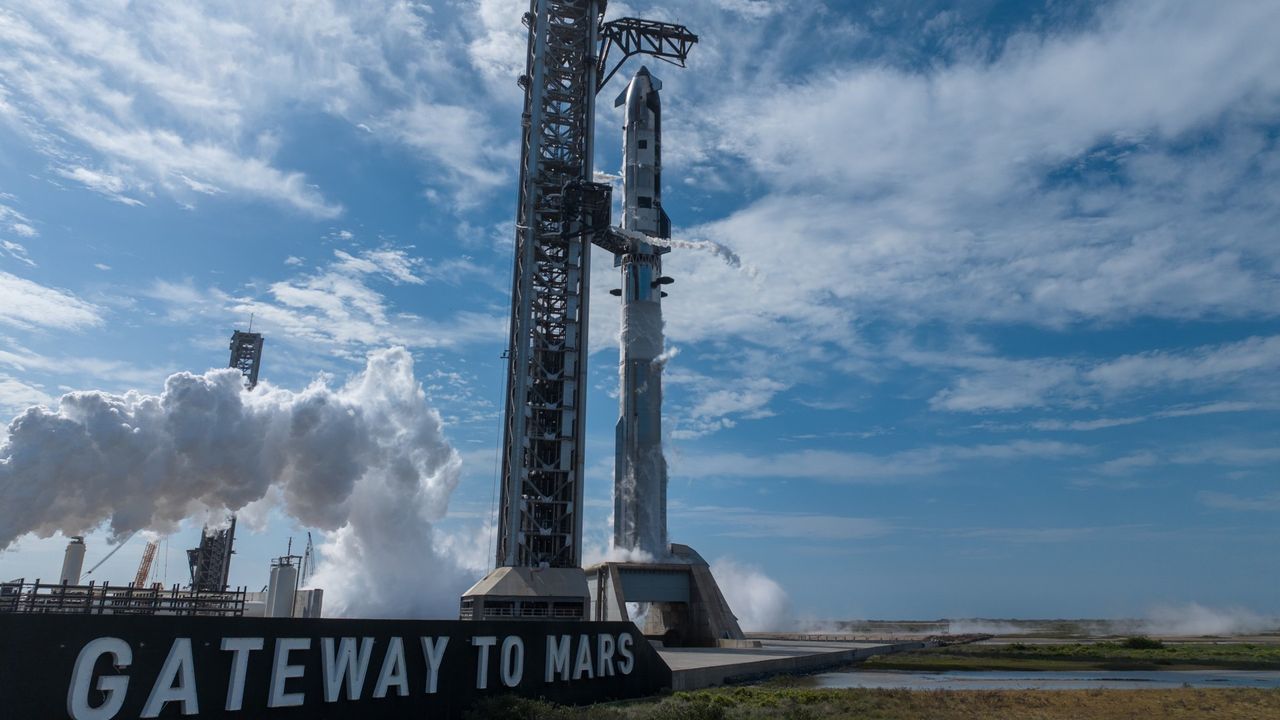
What You Need
- Reliable internet connection (for streaming or live updates)
- Access to SpaceX’s official channels (YouTube, Twitter/X, or website)
- A device with a screen (smartphone, tablet, computer, or smart TV)
- Optional: A telescope or binoculars (if viewing in person near the launch site in Boca Chica, Texas)
- Patience: Launch schedules are fluid and may change
Step-by-Step Guide
Step 1: Confirm the Launch Date and Window
The launch is scheduled for Thursday, May 21. However, SpaceX often adjusts the exact time within a multi-hour window. Check the official SpaceX website or social media (Step 4) for the most up-to-date T-0 time as the date approaches. Typically, the window opens in the morning or early afternoon Central Time (CT).
Step 2: Convert to Your Local Time Zone
SpaceX launches from Boca Chica, Texas, which is in the Central Time Zone (CT). To avoid confusion, use a world clock converter to find the equivalent in your region. For example, if the window opens at 8:00 AM CT, that’s 9:00 AM ET (Eastern) or 2:00 PM BST (British Summer Time). Set a reminder on your phone or calendar.
Step 3: Choose Your Viewing Method
You have two main options:
- Virtual viewing: Stream the launch live from home. This is the most common and reliable way.
- In-person viewing: If you’re near South Texas, plan to arrive early at designated public viewing areas (like South Padre Island). Check local access rules, as road closures often occur.
Step 4: Follow SpaceX Official Channels
Bookmark these sources before launch day:
- SpaceX’s official Launch Schedule page
- SpaceX on YouTube (live stream typically starts 30–60 minutes prior)
- Elon Musk’s X/Twitter account (last-minute updates)
Step 5: Prepare for Last-Minute Changes
SpaceX frequently scrubs or delays launches due to weather, technical checks, or range issues. Have a backup plan: follow the same sources for a new attempt date. Often, the next window opens 24–48 hours later. Keep your calendar flexible.
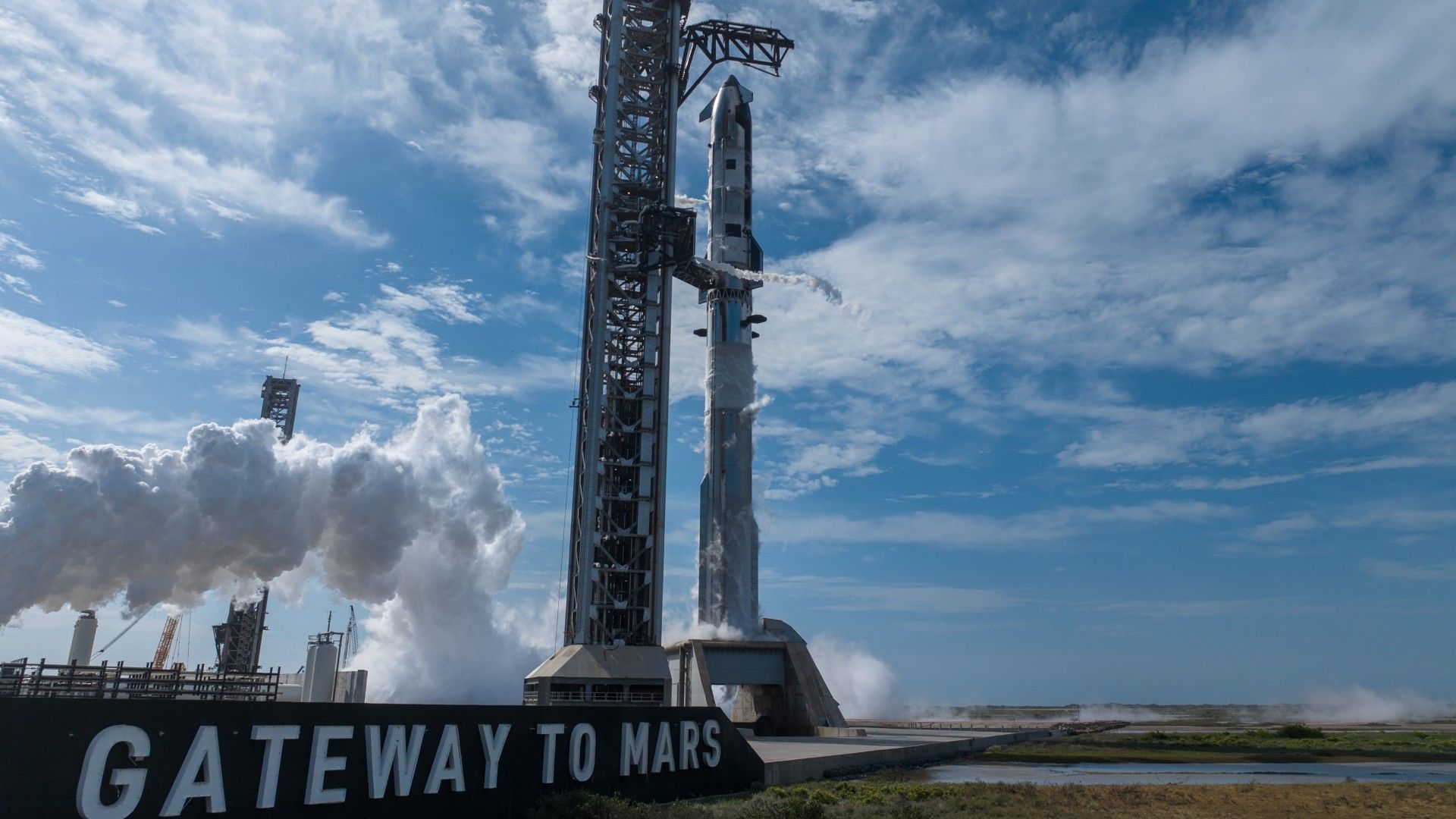
Source: www.space.com Step 6: Watch the Launch Timeline
During the countdown, SpaceX will broadcast key milestones:
- T-1 hour: Propellant loading begins (liquid oxygen and methane)
- T-10 minutes: Final engine chill and poll
- T-0: Liftoff – watch for the Super Heavy booster and Starship V3 stack
- Post-launch: Stage separation, booster landing attempt (on the launch mount or a drone ship), and Starship’s orbital burn
- Flight 12 is expected to test new heat shield tiles and Raptor 3 engine upgrades.
Step 7: Engage with the Community
Enhance your experience by joining live chat on YouTube, Reddit’s r/SpaceX, or Discord servers. Share your observations, ask questions, and get real-time commentary from experts.
Tips for a Smooth Launch-Watching Experience
- Refresh your browser 15 minutes before the window opens to catch the stream early.
- If using a mobile device, download the YouTube app for better notifications.
- Remember: SpaceX’s livestream is free, but some third-party sites may charge—stick to official sources.
- For in-person viewing, bring sunscreen, water, and binoculars. The launch pad is several miles away.
- Check weather forecasts: clear skies improve visibility; if it’s cloudy, the virtual stream is best.
- After the launch, visit SpaceX’s website for a replay if you missed any part of the timeline.