Your May 2026 Skywatching Guide: 10 Things to Look Up For
Top 10 skywatching events for May 2026 including Eta Aquarid meteor shower, Moon-Venus conjunction, and a rare Blue Moon.
May 2026 is packed with celestial highlights, from a meteor shower produced by Halley's Comet to a rare Blue Moon. Whether you're an early riser or a night owl, this month offers plenty of opportunities to connect with the cosmos. We've broken down the top 10 things you need to know to make the most of your skywatching this May. Each item includes tips and background—so grab your binoculars, find a dark spot, and get ready to look up.
1. Start Your Month with a Meteor Shower: The Eta Aquarids
The Eta Aquarid meteor shower peaks on the mornings of May 5 and 6, 2026. These fast-moving meteors zip into Earth's atmosphere at about 40 miles per second, often leaving luminous trails that linger for a moment. Under ideal, dark skies, you could see up to 50 meteors per hour. Learn the best viewing times below.
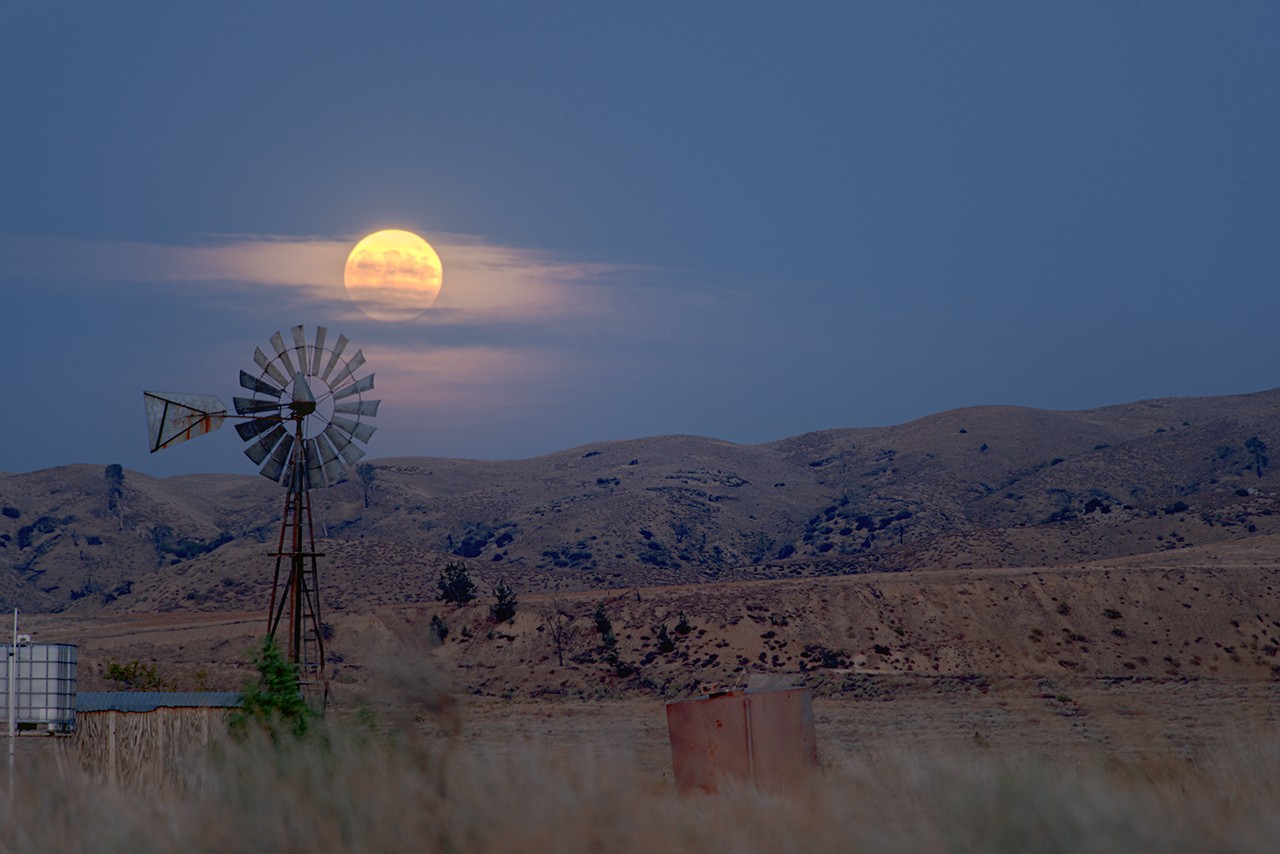
2. Where Do Eta Aquarids Come From? Halley's Comet Link
These shooting stars are debris from the famous Halley's Comet. Every year in early May, Earth crosses the comet's orbital path, and tiny dust particles burn up in our atmosphere, creating the Eta Aquarids. Halley's Comet itself last visited the inner solar system in 1986 and won't return until 2061—so this meteor shower is your annual reminder of its legacy.
3. Best Time to Watch the Eta Aquarids: Before Dawn
For the best show, head outside in the hours before sunrise on May 5 and 6. Look toward the eastern sky, where the shower's radiant point in the constellation Aquarius rises. However, the moonlight might wash out some fainter meteors this year, so plan to watch during the early morning when the Moon is lower or set. Get tips on viewing conditions.
4. How to Maximize Your Meteor Shower Experience
To see the most meteors, find a location far from city lights. Give your eyes 20 to 30 minutes to adjust to the darkness—avoid looking at your phone or any bright lights. Lie back on a blanket or reclining chair and scan the sky. Patience is key; you might not see one every minute, but the occasional bright streak will be worth the wait.
5. The Eta Aquarids Are Known for Their Speed
These meteors are exceptionally fast because they encounter Earth almost head-on. Their high velocity means they often produce bright, persistent trains—glowing gas trails that can last a second or two after the meteor has faded. This makes them particularly exciting to watch, even if the overall rate is moderate.
6. May 18: A Stunning Moon-Venus Conjunction
On the evening of May 18, look west just after sunset. A thin crescent Moon will snuggle close to brilliant Venus, one of the brightest objects in the night sky. Venus, often called the Evenings Star, will shine like a diamond next to the Moon's delicate arc. This pairing is easy to spot—the Moon acts as a guidepost.
7. Venus: The Evenings Star That's Actually a Planet
Venus is the second planet from the Sun and is often mistaken for a star due to its intense brightness. In May 2026, it dominates the western sky after dusk. On the 18th, its conjunction with the Moon creates a beautiful celestial scene. Despite their apparent closeness, Venus is millions of miles away from our lunar neighbor.
8. A Lunar Milestone: The Full Moon on May 31
May 2026 ends with a Full Moon on the 31st—and this one is a Blue Moon. But don't expect it to look blue! Blue Moon is the term for the second Full Moon in a single calendar month. Since May has two Full Moons (the first was on May 1), the second earns the Blue Moon label. It's a relatively rare event, hence the phrase "once in a blue moon."
9. Why Blue Moons Occur and How Often
A Blue Moon happens about once every 2.5 years on average. The timing depends on the lunar cycle, which lasts roughly 29.5 days. When a month starts with a Full Moon, there's just enough time for another before the month ends—if the month has 31 days. That's exactly the case in May 2026. The last Blue Moon was in August 2023, and the next will be in 2028.
10. May Moon Phases at a Glance
Track the Moon throughout May: New Moon on May 7, First Quarter on May 14, Full Moon (May 1 and 31—the Blue Moon), and Last Quarter on May 23. Knowing the phases helps you plan skywatching—dark skies near New Moon are best for faint objects, while bright Full Moon nights are great for lunar observation. Mark your calendar for these key dates!
From meteor-filled dawns to twilight conjunctions and a rare Blue Moon, May 2026 offers a little something for every sky enthusiast. Whether you're a seasoned observer or a curious beginner, these events are a perfect excuse to step outside and gaze upward. Keep looking up—the universe is always putting on a show.