7 Revolutionary Facts About the Book That Launched a Thousand Coding Careers
Explore the story of 101 BASIC Computer Games and Creative Computing magazine, and how they launched a generation of programmers through hand-typed code and risky publishing ventures.
If you ever wondered how a generation of programmers cut their teeth before the internet, look no further than one iconic book: 101 BASIC Computer Games. This wasn't just a collection of simple games—it was a gateway drug to coding. In an era when computers booted to a blinking cursor and the only apps came from cassette tapes (if you were lucky), typing in pages of BASIC code by hand was the norm. Today, we explore the fascinating story behind the book—and its creator, David Ahl—that shaped the early microcomputer revolution. From a risky print run to the birth of a legendary magazine, here are seven things you need to know.
1. The Command-Line Era That Defined Early Computing
Before graphical interfaces, booting a personal computer meant facing a stark command line. No icons, no windows—just a prompt. If you owned a cassette drive, you could load pre-written programs, but that hardware was expensive and rare. For most enthusiasts, the only way to make the computer do anything useful was to manually type in code from a printed source. 101 BASIC Computer Games became that source for countless hobbyists, offering hours of typing practice and, eventually, the thrill of running a game like Hamurabi or Star Trek. This hands-on method taught debugging, syntax, and patience—skills that launched careers.
2. David Ahl: The Visionary Who Left DEC to Publish
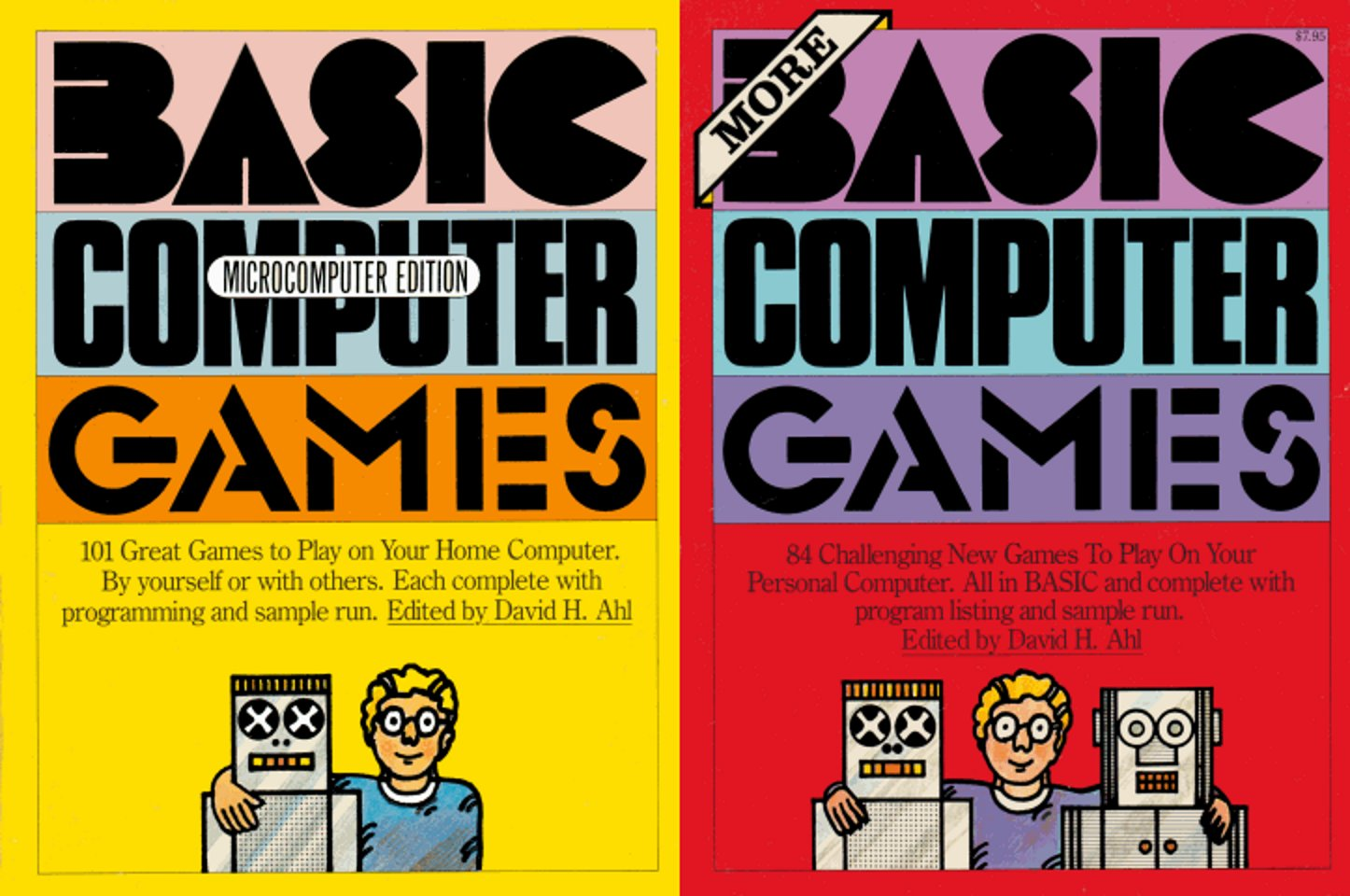
David Ahl was working at Digital Equipment Corporation (DEC) when he realized the potential of sharing BASIC programs. He collected the best games from his time running the DEC user group newsletter and published 101 BASIC Computer Games in 1973 under DEC’s imprint. But Ahl had bigger ideas. In 1974, he resigned from DEC to found Creative Computing magazine. He poured his savings—and sweat equity—into the venture, editing articles, drawing illustrations, and even laying out pages by hand. The magazine became a hub for hobbyist programmers, and Ahl acquired the rights to the book from DEC, ensuring he could continue to distribute and update it.
3. A Risky Print Run That Paid Off
When it came time to print the first issue of Creative Computing in October 1974, Ahl had only 600 subscribers. Most publishers would have printed 600 copies. Instead, he took all the money he had and printed 8,000 copies. The sight of two skids of magazines nearly gave him a heart attack, but he loaded them into his car over three trips. After delivering the 600 subscriber copies, he spent nearly three weeks hand-pasting labels onto the remaining 7,400 copies and sending them unsolicited to libraries and schools across the country. That bold gamble planted the seeds of a movement.
4. From FOCAL to BASIC: The 1971 Port That Started It All
The games in 101 BASIC Computer Games didn’t originally speak BASIC. Many were written in FOCAL, a language used on DEC minicomputers. In 1971, Ahl personally ported each FOCAL program to BASIC, a painstaking process that made the games accessible to the emerging microcomputer community. Without that conversion, the book would have been a niche product for DEC users. Instead, it became a universal resource—the Rosetta Stone for a generation of programmers who were about to get their hands on affordable machines like the Apple II.
5. The “Trinity” of Microcomputers: Why BASIC Mattered
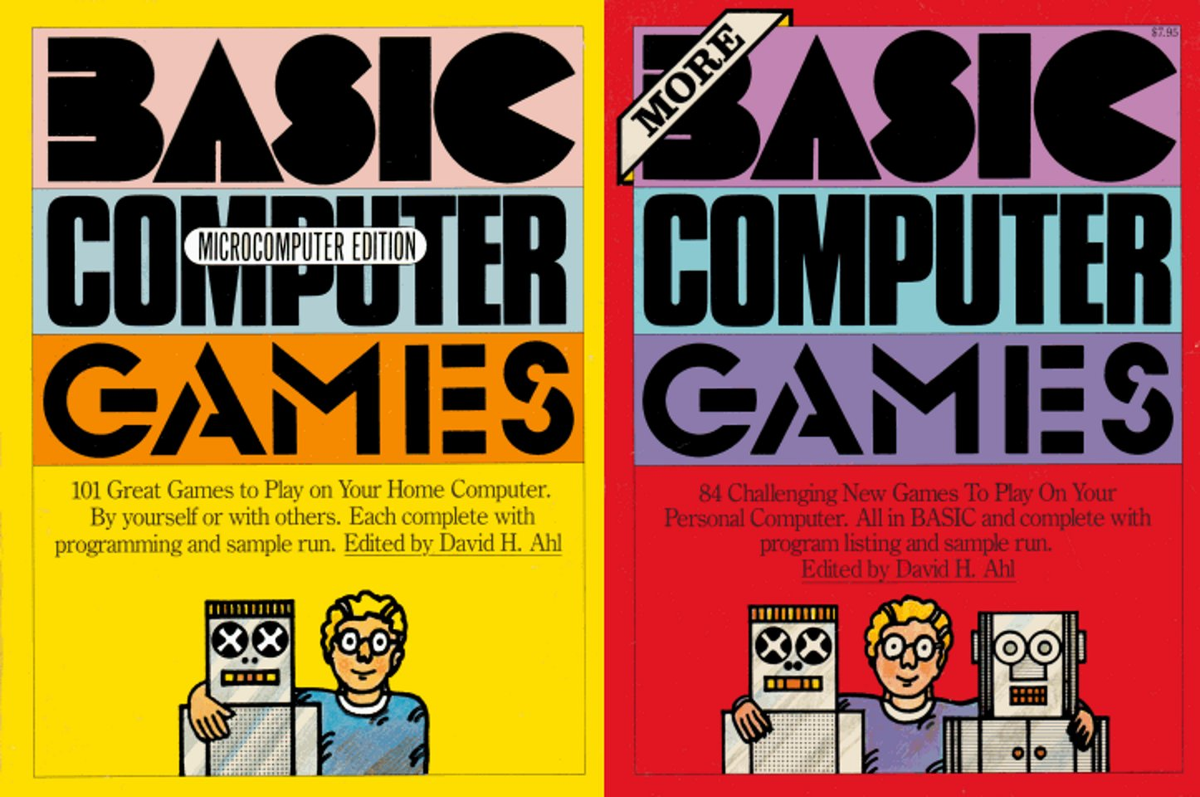
In 1977, three landmark computers launched: the Apple II, Commodore PET, and TRS-80. Each came with BASIC built into ROM. For the first time, regular people could buy a computer, turn it on, and immediately start coding—no cassette drives, no boot disks. 101 BASIC Computer Games provided the perfect content for these machines. Enthusiasts would type in game after game, learning loops, arrays, and conditionals along the way. The synergy between the book and these affordable computers turbocharged the home computing revolution.
6. Creative Computing: A Magazine That Became a Community
Alongside the book, Creative Computing magazine chronicled the rise of personal computing. Ahl filled its pages with program listings, hardware reviews, and reader-written articles. It was a hub for sharing knowledge before the internet made it easy. The magazine also republished many of the games from the book, giving new audiences a chance to dive in. For many, subscribing to Creative Computing felt like joining a secret club of pioneers — one that celebrated tinkering and creativity over mere consumption.
7. The Lasting Legacy: Two Books That Created an Industry
Looking back, it’s no exaggeration to say that 101 BASIC Computer Games and Creative Computing together shaped the careers of thousands of programmers, engineers, and entrepreneurs. They turned passive users into active creators. Even today, the spirit of typing in code from a book lives on in coding bootcamps and online tutorials. David Ahl’s gamble—printing 8,000 magazines when he had 600 subscribers—paid off in ways he probably never imagined. His work inspired a generation to build the digital world we now take for granted.
From the command line to the cloud, the journey started with a blinking cursor and a book of games. As you fire up your favorite app or write your next line of code, remember the pioneers who made it possible—one keystroke at a time.