Gowanus Canal's Toxic Legacy Reversed: New Waterfront Parks Mark Historic Turnaround
Two new public spaces open along Brooklyn's Gowanus Canal, marking a historic transformation from Superfund site to waterfront destination. Projects by Scape built on community-led master plan.
Breaking: Two Major Waterfront Parks Open on Former Superfund Site
After decades as a toxic industrial dumping ground, Brooklyn's Gowanus Canal is witnessing its most dramatic transformation yet. Two new public spaces—a waterfront plaza and esplanade at Sackett Place and a linear park at 420 Carroll—officially opened this week, reconnecting residents to a waterway long off-limits.
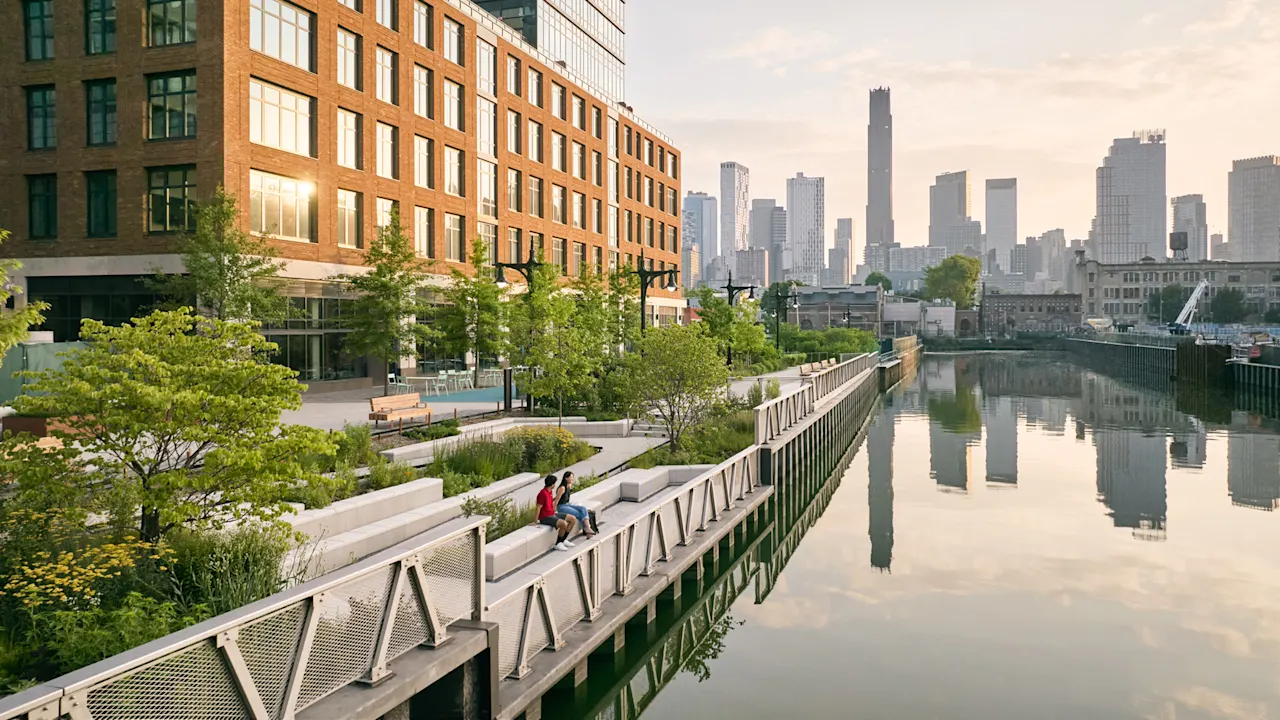
Both projects, designed by landscape architecture firm Scape, are the first tangible results of a master plan released in 2019. They offer a preview of what the area will look like once the ongoing environmental cleanup—part of the canal’s Superfund designation—is completed. “The Gowanus as an ecosystem and as a neighborhood is so interesting because it is being remade at a systemic level in so many different ways over a relatively short period of time for an urban area,” said Gena Wirth, design principal and partner at Scape.
Background: From Industrial Sewer to Redevelopment Hub
The Gowanus Canal was designated a Superfund site in 2010 after decades of pollution from manufacturing, combined sewer overflows, and illegal dumping. In 2014, the City launched a rezoning process to convert former industrial land into a mixed-use neighborhood—a catalyst for change.
Community groups, notably the Gowanus Canal Conservancy (founded in 2006), have long pushed for ecological restoration and public access. “We have years of experience doing hands-on stewardship on street trees, rain gardens, and guerrilla gardens throughout the neighborhood,” said Andrea Parker, executive director of the Conservancy. “Through that we have developed a very fine-tuned understanding of what biodiversity existed in the neighborhood before the cleanup.”
The Conservancy hired Scape in 2017 to create the “Lowlands” master plan, published in 2019. That plan advocated for positive change and provided a vision for the waterfront’s future, combining ecological health with public space.
The New Projects at a Glance
Sackett Place: A waterfront plaza and esplanade that wraps around a two-tower residential and office development. It offers direct access to the canal edge, seating areas, and native plantings designed to rebuild ecology.
420 Carroll: A linear waterfront park featuring a playground, picnic area, and garden spaces. It connects to the larger green network envisioned in the master plan.
Both projects significantly increase public access to the waterway while restoring habitats. Wirth noted, “It’s been a real estate speculative market for like 40 years. So it’s not under-considered, but it’s finally being implemented with the community’s interests at heart.”
What This Means
The openings mark a turning point for environmental justice in Brooklyn. For decades, the Gowanus Canal was a symbol of industrial pollution and neglect. Now, it is becoming a model for how Superfund sites can be reclaimed for public benefit, balancing cleanup with community-driven design.
Experts say this approach—blending ecological restoration, real estate development, and grassroots advocacy—could inspire similar efforts in other post-industrial waterways. The Gowanus Canal Conservancy’s Parker emphasized that the transformation is not just about new parks but about “rebuilding a relationship between people and the waterway.”
With more redevelopment planned and cleanup ongoing, the Gowanus is on track for one of the most dramatic urban turnarounds in recent history. Residents and visitors can now experience a glimpse of that future—a cleaned-up canal surrounded by vibrant public spaces.