Bringing Medieval Nubian Murals to Life: A Step-by-Step Guide to Recreating Historical Fashion
Learn to recreate medieval Christian Nubian fashion from mural art: research, pattern drafting, sewing, and styling for emotional impact.
Overview
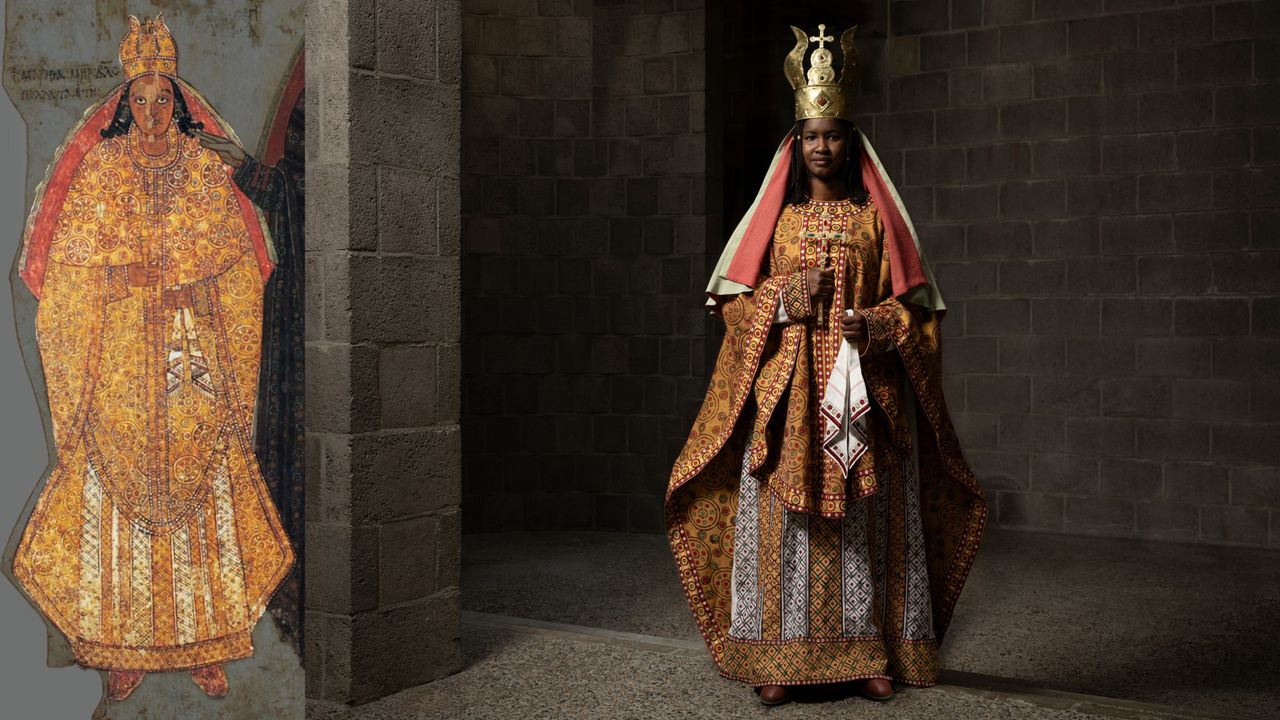
In a stunning fusion of art and fashion, centuries-old Christian Nubian murals have inspired breathtaking garment reconstructions that moved audiences to tears. This guide walks you through the process of transforming two-dimensional historical artwork into wearable, three-dimensional fashion. Whether you’re a costume designer, historical reenactor, or fashion enthusiast, you’ll learn how to research, design, construct, and present historically inspired clothing based on mural imagery—specifically from medieval Nubia (circa 6th–14th centuries). The emotional impact of seeing these ancient designs come to life on live models is achievable with careful study and craftsmanship.
Prerequisites
Historical Understanding
Familiarize yourself with the Christian Nubian kingdoms (Nobatia, Makuria, Alodia) and their artistic traditions. Study the iconography of murals from churches like Faras Cathedral or Abdallah Nirqi. Understand the symbolic role of clothing in depicting royalty, clergy, and angels.
Art Analysis Skills
Ability to interpret flat, stylized depictions of garments—consider proportions, draping indicated by lines, and color palettes (often reds, blues, yellows, whites). Knowledge of basic art history helps distinguish between actual clothing and symbolic embellishment.
Garment Construction Expertise
You should have intermediate sewing skills: pattern drafting (or draping), hand and machine stitching, finishing seams. Experience with historical costuming or draping delicate fabrics is a plus.
Material Sourcing
Access to natural-fiber fabrics (linen, wool, silk), jewel-toned dyes, decorative trims (braids, tassels, metallic threads), and appropriate undergarments. Modern substitutes are acceptable but aim for period-appropriate textures.
Step-by-Step Instructions
Step 1: Research and Analyze Mural Imagery
Gather high-resolution images of Nubian murals. Focus on figures with clear garment details—look for tunics, cloaks, headdresses, belts, and shawls. Note recurring motifs: the ‘tablion’ (decorative panel on tunics), striped fabric patterns, and draped mantles. Create a mood board with color swatches and silhouette sketches. Use museum archives or academic publications for reliable sources.
Step 2: Deconstruct Garment Shapes and Silhouettes
Based on the murals, identify the probable basic patterns. Common Nubian men’s wear includes a long tunic (often with a keyhole neckline) and a mantle draped over one shoulder. Women’s clothing might feature a floor-length dress with a fitted bodice and wide sleeves, plus a head veil. Draw rough flat patterns: think rectangles, trapezoids, and circles for cloaks. Use proportion references from the mural relative to figure height—typical tunics end at the knee or calf.
Step 3: Source Appropriate Fabrics and Colors
Select fabric that mimics the mural’s visual texture. Linen suits everyday tunics; wool or silk suits elite garments. For color, use natural dyes if possible: madder root for reds, woad for blues, weld for yellows. If unavailable, choose solid or subtly patterned fabrics in those tones. For decorative bands, use cotton or silk ribbons in contrasting colors. Remember that murals often used symbolic colors (e.g., purple for royalty) even if the actual fabric was simpler.
Step 4: Create Patterns from Visual Clues
Draft patterns based on your deconstruction. For a typical Nubian tunic: start with a T-shape using two widths of fabric (width = your model’s chest + ease, length = hip to knee). Add a neckline slit at center front. For the mantle, cut a semicircle or rectangle with a neck opening. Adjust for the model’s measurements. Make a test garment in muslin to check fit and drape—this is critical because mural proportions may not translate directly to a real body.
Step 5: Sew and Construct the Garments
Cut the final fabric with seam allowances (1–1.5 cm). Use flat-felled seams for authenticity and durability. Attach decorative bands—appliqué or stitching them on before assembling the garment. For the tunic, sew shoulder and side seams, leaving armholes. Hem the sleeves. Add a waist tie or belt if shown. For the mantle, finish raw edges with bias binding or a rolled hem. Ensure all visible stitches are even; hand stitching is period-accurate but machine stitching can be used if hidden.
Step 6: Accessorize and Style
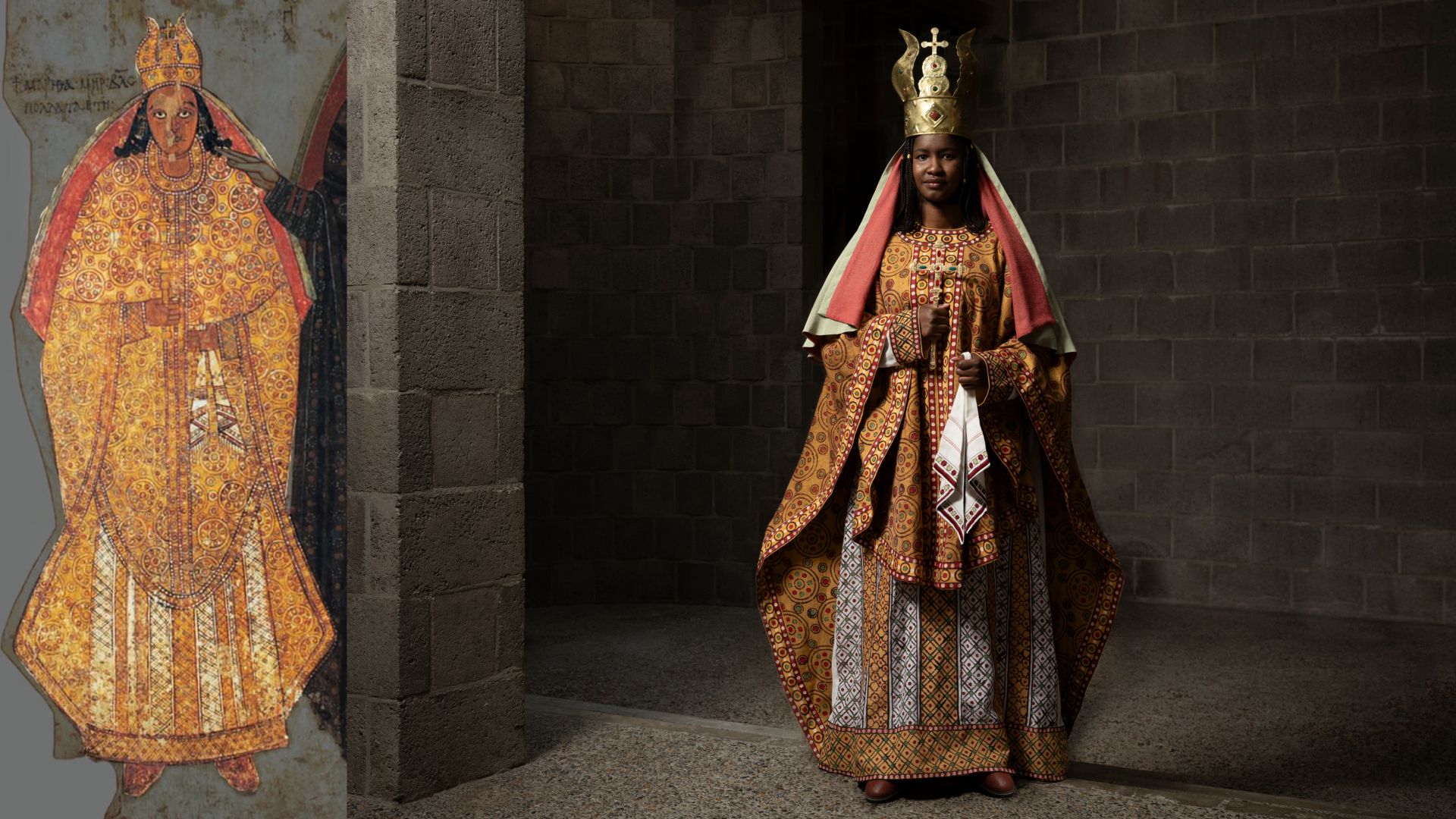
The murals show specific accessories: leather belts with metal attachments, headbands, crown-like headdresses, and jewelry (cross pendants, earrings). Research Nubian jewelry motifs—often crosses, spirals. Craft simple versions using cardboard covered in foil or thin metal findings. For footwear, simple sandals or barefoot may be appropriate. Styling the model’s hair in braids or a natural texture matching the mural figures enhances authenticity.
Step 7: Stage a Presentation or Photoshoot
To recreate the emotional impact, plan a performance or photoshoot. Choose a setting that evokes a Nubian church—perhaps with pillars, warm lighting, and incense. Have models move slowly, striking poses similar to mural figures. Use music inspired by the region. For a live event, consider a choreographed walk with dramatic pauses. The goal is to make the audience feel they’ve glimpsed the past—the tears of wonder come from seeing history breathe.
Common Mistakes
- Over-interpreting mural stylization: Not all folds or details are realistic; some are artistic conventions. Test with draping before final sewing.
- Wrong fabric weight: Using modern polyester blends may not hang like ancient linens or wools, ruining the silhouette.
- Ignoring undergarments: A tunic worn directly over skin may look different than one over a shift; historical layering affects overall shape.
- Color inaccuracy: Mural colors may be faded; research natural dye options to replicate the intended vibrancy.
- Poor fit: Skimping on the muslin mock-up leads to ill-fitting final garments.
- Neglecting context: Avoid mixing elements from different periods or regions within Nubia—stick to one mural source for consistency.
Summary
Recreating medieval Christian Nubian fashion from mural inspiration is a rewarding journey that bridges art history and modern design. By systematically researching imagery, deconstructing silhouettes, sourcing appropriate materials, drafting patterns, sewing with care, and staging a presentation, you can produce garments that captivate audiences. Avoid common pitfalls like over-interpretation and poor fabric choice. This process not only yields beautiful clothing but also fosters a deep appreciation for the cultural heritage of Nubia. Start with one mural, one garment, and let the story unfold.